Engaging Families
Family engagement starts with meeting families where they are. That means that the work you do could look drastically different from family to family and might even change as you work with different family members. And needs change over time. Many variables contribute to these ever-shifting dynamics: the age of the child, the age of the caregivers, diagnoses, community support, job status, and much, much more.
CYSHCN Program professionals serve as a guide for families who have been sent on a different path than most of their parenting peers. You are the point person, helping them find the right services at a time when many of them are overwhelmed, vulnerable, and even scared.
Why should families come to you?
Families need accurate information covering a wide range of services and supports. The special health care needs that fall under CYSHCN services encompass so much that having all the answers is simply not possible. And that's OK! Families should view you as a professional who is there to partner with them to help them find what they need, usually through referrals to services.
What does authentic family engagement look like?
Authentic family engagement starts with active listening. We can never fully know what those around us are going through on any given day. Remembering that most of us are doing the best we can in any given moment can go a long way in establishing positive relationships.
It's highly likely that you will encounter caregivers who have already been through a tangled web of misinformation and referrals with dead ends before they found you. Parents and caregivers might be frustrated, cynical, or even angry. Validation and empathy are critical here. Acknowledging how hard this journey can be is important. As CYSHCN Program professionals, we must build trust by pointing families to trusted resources. Sometimes that might involve you saying, "I don't know the answer, but I'll do some research and find out."
Best Practices for Engaging Families
Establish genuine relationships. Take notes to help remember names of caregivers and children, specific health conditions, information about the family, and other details they share. Call them by name and ask about their interests. Building a rapport not only fosters trust, it will help you understand the family's needs and what community supports might be useful. We can learn a lot about one another through seemingly casual conversations. Share a little bit about yourself, talk about common interests, have games and toys on hand for children who visit. Try to strike a balance between professional and personable.
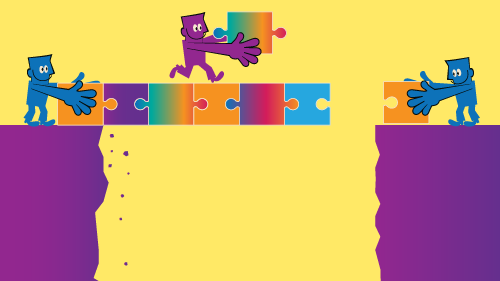
Connect the family with the community. Family and community engagement go hand in hand, and CYSHCN Program professionals are often the bridge between the two. Understanding what the community offers and sharing that information with families is critical to meaningful engagement. So many of us exist in our own bubbles. Through this work, we can help expand or even pop them. Connection requires empathy, and in order to practice empathy, we need to be able to see the world from the perspective of others.
Call ahead and follow up. Before referring families to an organization or service, find out if it is truly the right fit. Think about accessibility. Is the space wheelchair accessible? Does an online support group offer translators? Is there transportation? Is there childcare? Try to speak directly with someone in the organization to explain the reason for the referral so that you can then provide the family with the name of a contact — a strategy known as a "warm referral." Once the caregiver has had time to follow through, check in with the family to see if their needs were met. Encourage them to tell you when they encounter roadblocks so you can help them work through any challenges. These steps will help you build meaningful and trusting relationships with families and community partners.
Meet people where they are. It's both easier and harder than ever to engage with families. We can connect in a variety of ways — virtually, in person, at community events, email, snail mail, texts, phone calls. But we're living in an era of information overload. Our outreach efforts must be intentional and meaningful. It takes time as well as trial and error to find out what works — and that can vary between communities, families, and each person. Again, accessibility matters, and comes in many forms. Consider not just physical spaces but sensory needs, communication, language, socio-economic factors, cultural needs, and any other unintentional hurdles that make it difficult for people to access services and supports.
Assume positive intentions and that everyone is doing their best. We all have bad days. You may encounter people coming to you as a last resort after being misled and misinformed by countless professionals. Services for children and youth with special health care needs are notoriously complex and confusing, and even the "experts" get things wrong. Validating feelings and acknowledging that you sometimes do not have the answers (but will help to find them) goes a long way!